Squats: The King of Lower Body Exercises
Squats: The King of Lower Body Exercises
Building strength, power, and functional fitness one squat at a time
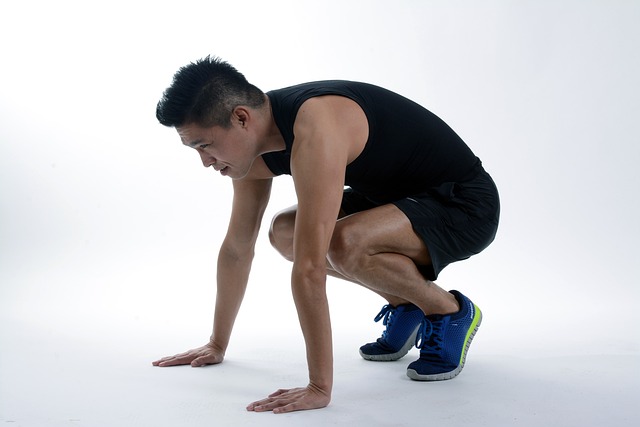
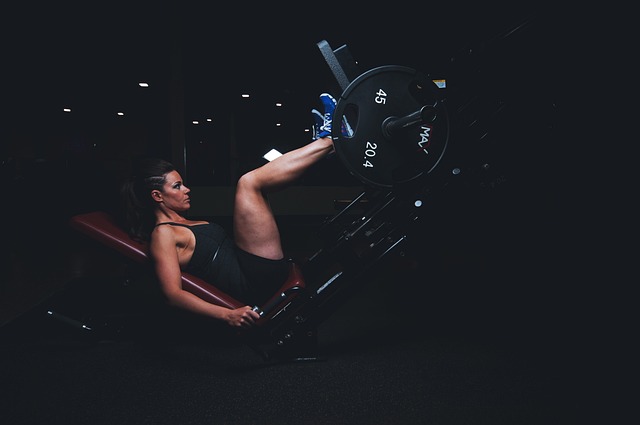
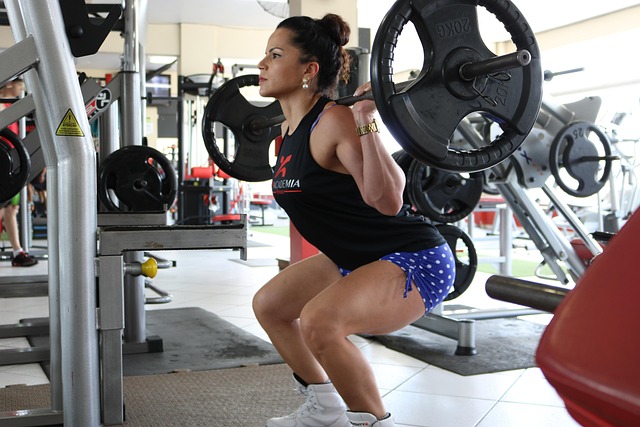
When it comes to building strength, power, and functional fitness, few exercises rival the squat. Often called the "king of lower body exercises," squats are a staple in nearly every fitness program—from bodybuilding and powerlifting to CrossFit and everyday training routines.
But why are squats so popular? And what makes them so effective?
Let's dive into the world of squats and explore their powerful benefits.
What Are Squats?
A squat is a compound, full-body exercise that primarily targets the lower body. It involves bending at the knees and hips to lower the body into a seated position, then returning to standing. Squats can be done with just your body weight or loaded with dumbbells, barbells, kettlebells, or resistance bands.
Muscles Worked in a Squat
Squats are incredibly efficient because they activate multiple major muscle groups, including:
- Quadriceps (front of the thighs)
- Hamstrings (back of the thighs)
- Glutes (buttocks)
- Calves
- Core muscles
- Lower back
With proper form, squats engage both stabilizing and power-producing muscles, making them a full-body powerhouse move.
Top Benefits of Doing Squats
Build Lower Body Strength
Squats are unmatched when it comes to building muscle and strength in your legs and glutes. Strong legs not only look great—they also support better performance in sports, walking, running, and climbing stairs.
Enhance Core Strength & Stability
Squatting properly requires a strong, engaged core. This helps strengthen the abdominal and lower back muscles, improving posture and reducing the risk of back injuries.
Burn Fat & Boost Metabolism
Because squats recruit large muscle groups, they demand a lot of energy. This means more calories burned during and after your workout, helping with fat loss and metabolic efficiency.
Improve Mobility & Balance
Squats enhance flexibility in the hips, knees, and ankles while also training your body to balance under load. This reduces the risk of falls and improves coordination, especially as you age.
Increase Athletic Performance
Whether you're sprinting, jumping, or changing direction, squats help build explosive power and speed. That's why athletes across sports train with variations of the squat.
Functional Fitness for Daily Life
Squats mimic everyday movements like sitting, lifting, and standing up. Training with squats helps make those daily activities easier and safer.
Types of Squats to Try
Squats come in many forms. Here are some variations to suit every fitness level:
Bodyweight Squat
Perfect for beginners. Focus on mastering form before adding weight.
Goblet Squat
Hold a dumbbell or kettlebell at your chest. Great for improving form and adding resistance.
Barbell Back Squat
A gym classic. Load a barbell on your shoulders to build serious strength and muscle.
Front Squat
Barbell rests on the front shoulders. More core engagement and focus on the quads.
Sumo Squat
Wide stance and toes pointed outward. Targets inner thighs and glutes.
Jump Squat
Explosive movement that builds power and burns calories fast.
Tips for Perfect Squat Form
- Keep your chest up and spine neutral
- Feet shoulder-width apart, toes slightly turned out
- Push your hips back as if sitting in a chair
- Knees should track in line with your toes
- Go as low as your flexibility and comfort allow (ideally thighs parallel to the floor)
- Drive through your heels to stand back up
Final Thoughts
Squats are not just for athletes or bodybuilders—they're for everyone. From improving strength and mobility to helping you move better in daily life, squats deliver tremendous value for your fitness journey.
Start with bodyweight squats and progress gradually. Listen to your body, stay consistent, and enjoy the benefits of this foundational movement.
Remember: If you want a stronger lower body, better posture, and more power—never skip your squats!


Comments
Post a Comment